

University of Leeds
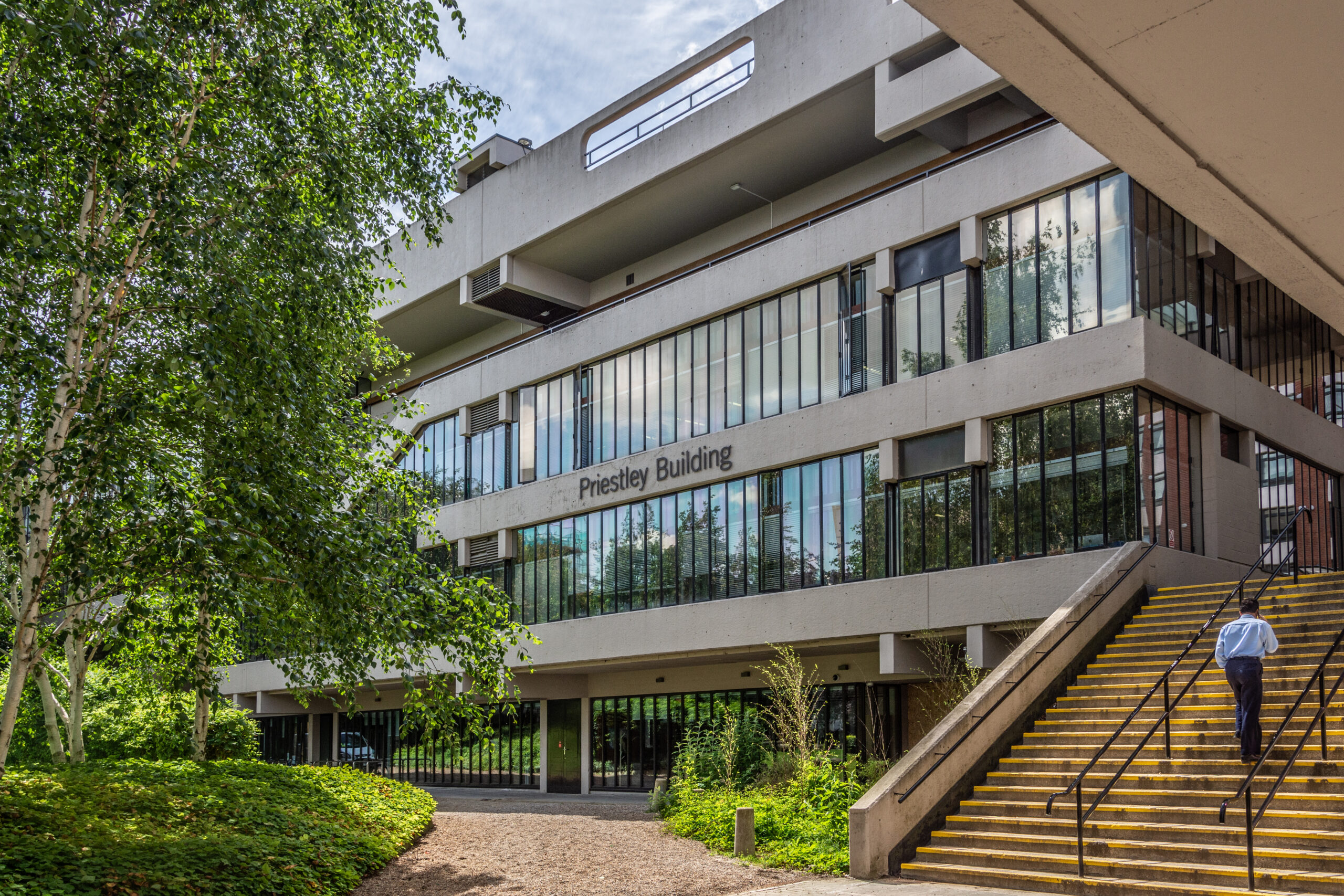
The Priestley Centre for Climate Futures is a world-leading climate centre based at the University of Leeds. From local to global, they ensure that climate action is informed by the latest research, collaborating with organisations and individuals to transform expertise into real-world impact.
University of Leeds’ strengths
EarthScale partners play a vital role in unlocking regional strengths and climate innovation opportunities across the UK. The University of Leeds is one of six regional hubs, offering ventures access to its in-house expertise, specialist facilities, and local innovation ecosystem.
Each hub is supported by a dedicated manager who coordinates tailored support and engagement activities. Explore the University of Leeds’s strengths below.
A partnership between







Background
The Priestley Centre for Climate Futures at the University of Leeds connects its climate experts with businesses, policymakers, and communities to work collaboratively in integrated networks, transforming how we address climate change.
Their experts hold leading roles in the Intergovernmental Panel on Climate Change and the UK Climate Change Committee, providing independent, robust, and timely evidence to support decision-makers.
The Centre actively promotes climate innovations and climate-related entrepreneurship in partnership with Nexus, the University of Leeds’ innovation hub, and brings together the ecosystem to accelerate regional climate tech. Key initiatives include:
- Indicators of Global Climate Change: An annual update of key indicators of the state of the climate system, developed by 60 experts globally.
- Climate change simulations: An ultra-fast computer model developed by a team at the University, which influences international climate policy.
- International climate policy: Contributions to discussions and negotiations in the run-up to, and at, United Nations climate change conferences.
Regional strengths
A blend of traditional and emerging: Traditional industries like textiles, finance, and energy, with emerging sectors such as advanced materials, fintech, and green finance. Its three key growth areas are advanced manufacturing, emerging technologies, and net zero/sustainability.
Green Economy Cluster Action Plan (CAP): Led by the West Yorkshire Combined Authority, the CAP aims to reach net zero by 2038. It focuses on cluster development, supply chain strengthening, commercialisation of climate solutions, increased green investment and enhanced collaboration across sectors.
Priority areas: clean energy, clean tech, circular economy, waste management, and recycling.
Established partnerships and facilities
Nexus
State-of-the-art innovation hub on the University campus that has supported over 600 early-stage ventures, helping connect them to innovation, talent, and support. Nexus also provides Grade-A offices, labs, and co-working spaces for businesses to base their operations.


HELIX
A learning innovation hub which offers cutting-edge digital provision, including immersive technologies and multimedia production studios, as well as a physical makerspace.
The UK Centre for Greening Finance and Investment
A national centre accelerating the adoption and use of climate and environmental data by financial institutions internationally. It unlocks opportunities for the UK to lead in greening finance and financing green.
West Yorkshire Combined Authority
Develops and delivers policies, programmes and services which directly benefit the people of West Yorkshire. In its new Green Economy strategy, WYCA is committed to further developing the cluster ecosystem for climate tech innovations.
Our partners
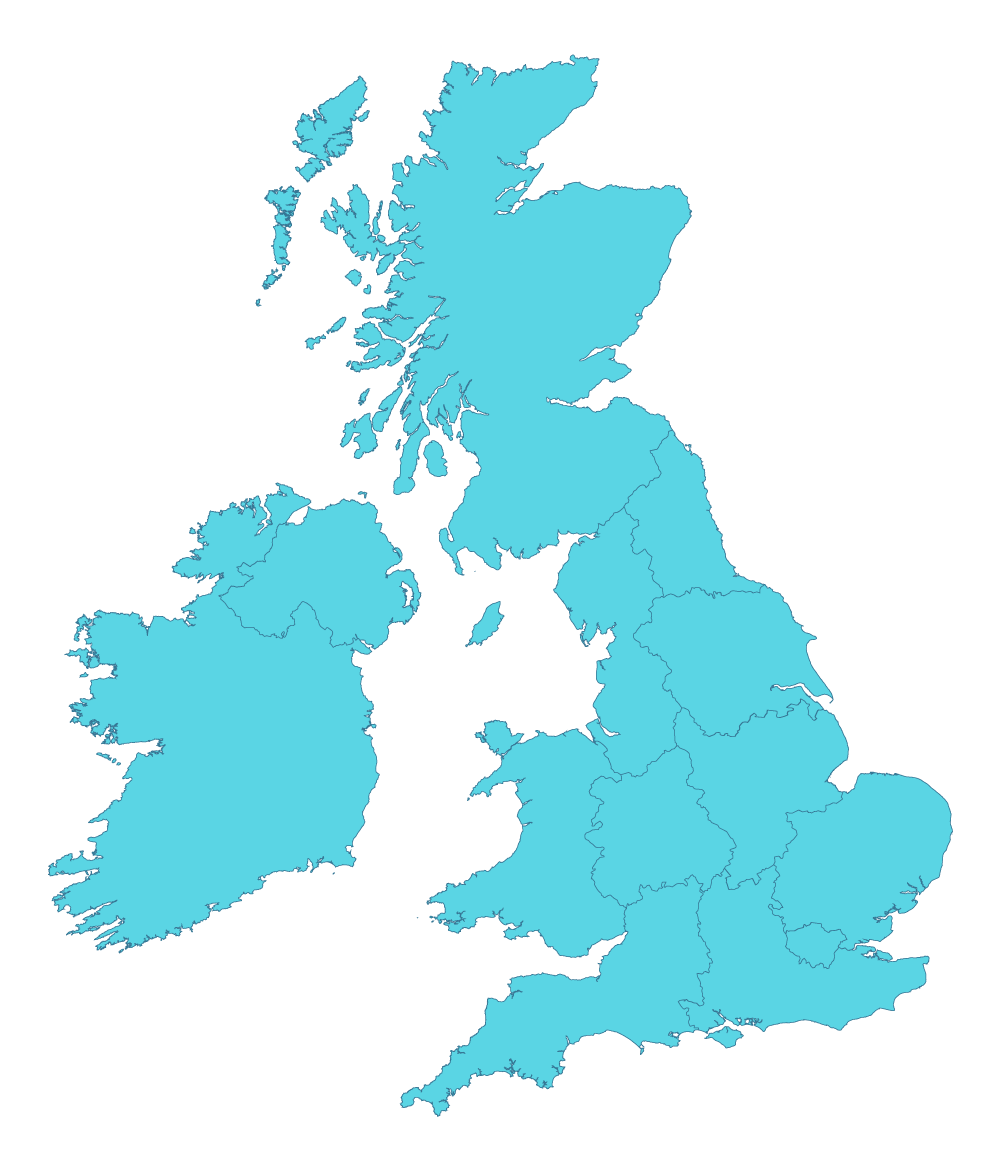
A national network
Cranfield University
World-class industrial and pilot-scale facilities, including water, clean energy, agriculture, aerospace, automotive and more.
Imperial College
A collaboration between Undaunted and the Imperial Enterprise Lab; world-class research, deep climate expertise and a thriving innovation ecosystem centred in the White City Innovation District.
University of Derby
Their Institute for Innovation and Sustainable Engineering focuses on sustainable engineering solutions, supporting innovation in design, manufacturing, product lifecycle management and more.
University of Exeter
Home to 1500 climate and sustainability experts across 34 specialist environmental institutes and centres of excellence.
University of Leeds
Their Priestley Centre for Climate Futures is a world-leading climate centre that connects its climate experts with businesses, policymakers, and communities to transform how we address climate change.
University of Nottingham
State-of-the-art facilities that support sustainable manufacturing and low-carbon innovation.
Join the network
Become a regional hub partner
The network is actively welcoming new university partners to join, grow, and strengthen this unique and impactful collaboration.
More EarthScale
More from EarthScale
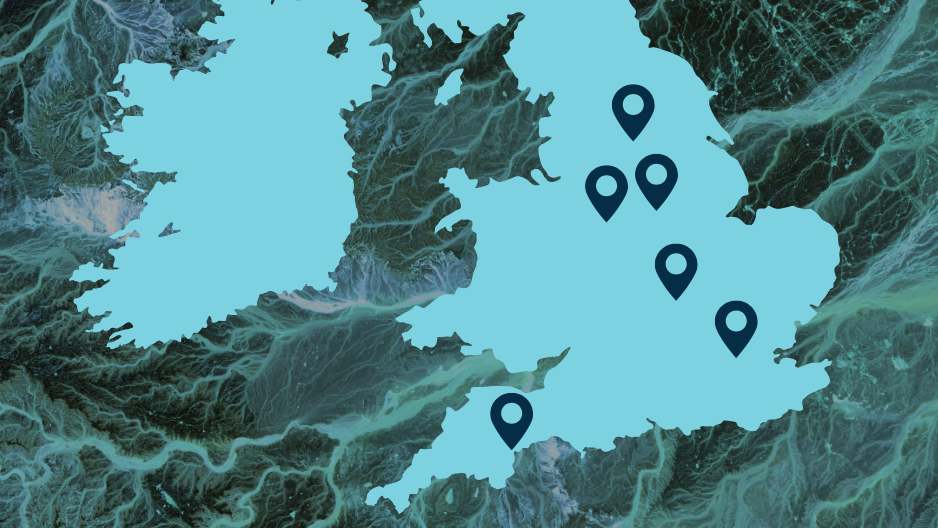
A national network
Find out more
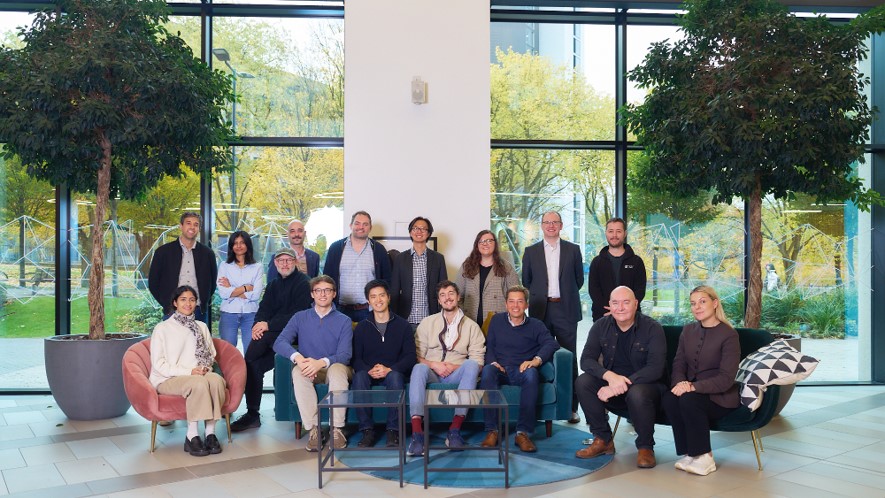
Meet the inaugural cohort
Find out more

About
Find out more